







Domicile Certificate Pakistan: Kaise Banwayen? Mukammal Guide
Domicile certificate Pakistan mein har shehri ke liye aik bunyadi document hai, khaas tor par taleem aur rozgar ke liye. Domicile aam tor par aap ke zila ke Deputy Commissioner (DC) office se jari hota hai. Bohat se log domicile aur PRC (Permanent Residence Certificate) ko aik hi cheez samajhte hain, halanke dono mein farq hai — domicile is baat ka saboot hai ke aap kis zila ke rehne walay hain, jabke PRC is baat ka certificate hai ke aap kis subay ke mustaqil rehaishi hain. Aksar dono documents aik sath darkar hotay hain, is liye dono ka process samajhna zaroori hai.
Is guide mein hum domicile banwane ka mukammal tareeqa batayenge: zaroori documents ki fehrist, DC office mein step-by-step apply ka process, fee aur processing time ki maloomat, domicile aur PRC mein wazeh farq, domicile ki zaroorat kin kaamon mein parti hai, aur aksar pooche jane wale sawalat ke jawab.
Domicile ke Liye Zaroori Documents
DC office jane se pehle apne tamam documents mukammal kar len. Soobay aur zila ke hisab se fehrist mein thora farq ho sakta hai, lekin aam tor par ye documents darkar hotay hain:
- Applicant ka valid CNIC (original aur copy) — 18 saal se kam umar afrad ke liye B-Form (CRC) qabool hota hai.
- Wald (father) ka CNIC ya un ka domicile/PRC — domicile aam tor par walid ke domicile ki bunyad par jari hota hai.
- Rehaish ka saboot — bijli ya gas ka bill, ya makaan ki milkiyat ya kiraye ka saboot.
- Taleemi asnaad — matric ya aala taleem ke certificates ki copies, jo zila mein taleem ka saboot hoti hain.
- Passport size photographs — haal hi mein li hui tasaveer.
- Stamp paper par affidavit (halaf nama) — jis mein aap apne zila ka rehaishi honay ka iqrar karte hain. Stamp paper ki qeemat aur format DC office se maloom kar len.
- Form — domicile ka application form DC office ya mutaliqa website se milta hai.
DC Office mein Domicile Apply Karne Ka Tareeqa (Step-by-Step)
Domicile ka process har zila mein taqreeban aik jaisa hai, lekin choti moti tabdeeli soobay ke hisab se ho sakti hai (masalan Punjab mein baz khidmat markaz se bhi apply hota hai). Aam process darj-e-zel hai:
- Step 1: Apne zila ke Deputy Commissioner office (ya designated khidmat center) jayen aur domicile ka application form hasil karen. Form ghor se pur karen — naam, walid ka naam, CNIC number aur pata bilkul durust likhen.
- Step 2: Oath commissioner ya notary public se stamp paper par affidavit (halaf nama) tayyar karwayen jis mein aap apne zila ka mustaqil rehaishi honay ka iqrar karen.
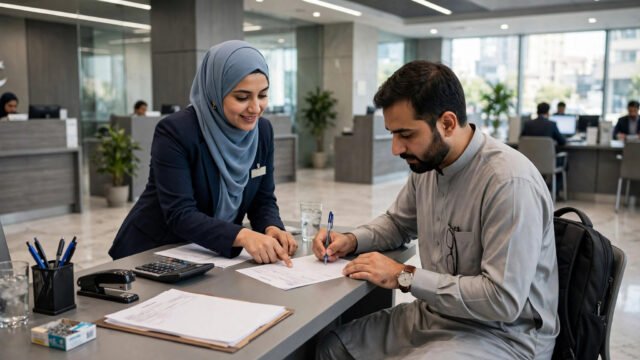
- Step 3: Form ke sath tamam documents ki copies lagayen aur original documents tasdeeq ke liye sath rakhen. Form mutaliqa clerk ya officer ke paas jama karwayen.
- Step 4: Officer aap ke documents ki jaanch karega aur zaroorat parne par tehqeeq (inquiry) bhi ho sakti hai — masalan aap ke mohallay ya ilaqay se tasdeeq. Is marhalay mein ghabrane ki zaroorat nahi, ye mamool ka hissa hai.
- Step 5: Muqarrar fee jama karwayen. Fee soobay aur waqt ke hisab se tabdeel hoti rehti hai, is liye latest fee DC office se hi maloom karen aur receipt lazmi len.
- Step 6: Receipt par di gayi tareekh par wapas ja kar apna domicile certificate wasool karen. Certificate par muhar aur dastakhat check kar len.
Domicile Fee aur Processing Time
Domicile ki fee har soobay mein mukhtalif ho sakti hai aur waqt ke sath tabdeel hoti rehti hai. Is liye yahan koi purani raqam likhne ke bajaye yehi mashwara hai ke apply karne se pehle latest fee apne zila ke DC office ya mutaliqa khidmat center se maloom kar len. Processing time aam tor par chand hafton ka hota hai — documents mukammal hon to kaam jald ho jata hai, lekin tehqeeq (inquiry) wale cases mein thora izafi waqt lag sakta hai. Fee ki receipt hamesha sambhal kar rakhen aur di gayi tareekh par certificate wasool karna na bhoolen.
Domicile aur PRC (Permanent Residence Certificate) mein Farq
Ye dono documents aksar aik sath maange jatay hain, is liye in ka farq samajhna zaroori hai:
- Domicile certificate is baat ka saboot hai ke aap kis zila (district) ke rehne walay hain. Ye zila ki satah ka document hai aur DC office se jari hota hai.
- PRC (Permanent Residence Certificate) is baat ka certificate hai ke aap kis subay ke mustaqil rehaishi hain. Ye subay ki satah ka document hai.
- Aam tor par domicile walid ke domicile ya PRC ki bunyad par jari hota hai — is liye walid ka domicile/PRC hona process ko asaan bana deta hai.
- Sarkari naukriyon aur university admissions mein aksar dono documents aik sath talab kiye jatay hain, is liye behtar hai ke dono hi banwa liye jayen.
- PRC ka process bhi taqreeban domicile jaisa hai aur ye bhi DC office se hi jari hota hai — aik hi visit mein dono ke liye apply kiya ja sakta hai.
Domicile Certificate Kyun Zaroori Hai?
Domicile sirf aik kagaz nahi, balkay aap ke bunyadi huqooq se jurra document hai. Ye in kaamon mein lazmi darkar hota hai:
- Sarkari naukriyon mein apply ke liye — har soobay aur zila ka quota hota hai, aur domicile hi is baat ka saboot hai ke aap us quota ke ahl hain.
- University aur college mein admission ke liye — khaas tor par merit aur reserved seats par domicile maanga jata hai.
- Passport banwate waqt baz auqat domicile ki copy darkar hoti hai.
- CNIC banwane ke liye NADRA ki nayi policy ke tehat domicile aik qabool shuda supporting document hai.
- Wazifa (scholarship) aur taleemi sahoolaton ke liye bhi domicile aksar shart hota hai.
Domicile ke Liye Ahem Mashwaray
Domicile ka process asaan ho sakta hai agar aap thori tayyari ke sath jayen. Ye mashwaray yaad rakhen:
- Subah sawere DC office jayen taake token jald mil jaye aur kaam aik hi din mein agay barh jaye.
- Har document ki 2-3 photocopies sath le jayen — clerk aksar izafi copies maang leta hai.
- Original documents hamesha apne paas rakhen aur sirf tasdeeq ke liye dikhayen, jama na karwayen.
- Form mein naam aur CNIC number do martaba check karen — ghalti ki soorat mein naya form bharna parega.
- Agar tehqeeq ke liye officer aap ke ilaqay aaye to taawun karen aur gawahan tayyar rakhen.
Domicile ke Aksar Pooche Jane Wale Sawalat (FAQs)
Kya domicile online banwaya ja sakta hai?
Baz soobon mein khidmat centers ya online portals ke zariye apply ki sahoolat mojood hai, lekin tehqeeq aur tasdeeq ke liye office jana aksar lazmi hota hai. Apne zila ke DC office se latest tariqa maloom karen.
Domicile banwane mein kitna waqt lagta hai?
Aam tor par chand haftay lagte hain. Documents mukammal hon to kaam tez hota hai; tehqeeq wale cases mein thora izafi waqt lag sakta hai.
Kya aurat apne walid ke bajaye shohar ke domicile par apply kar sakti hai?
Ji haan. Shaadi shuda khawateen aam tor par shohar ke domicile ki bunyad par apna domicile banwa sakti hain — is ke liye nikah nama aur shohar ka domicile darkar hota hai.
Agar walid ka domicile na ho to kya karen?
DC office se mashwara karen. Baz sooraton mein walid ke CNIC, rehaish ke saboot aur affidavit ki bunyad par bhi domicile jari ho jata hai, lekin process thora lamba ho sakta hai.
Kya aik se zyada zila ka domicile banwaya ja sakta hai?
Nahi. Aik waqt mein sirf aik zila ka domicile ho sakta hai. Ghalat maloomat par dohra domicile banwana qanoni jurm hai.
Domicile gum ho jaye to duplicate kaise milega?
DC office mein duplicate ke liye application den — aap ka record daftar mein mehfooz hota hai, is liye duplicate jari ho jata hai. Fee latest schedule ke mutabiq hogi.
Kya domicile ki bhi expiry hoti hai?
Nahi, domicile ki koi expiry nahi hoti — ye aik martaba ban jaye to zindagi bhar ke liye valid hai, jab tak aap ka zila tabdeel na ho.
Zila tabdeel honay par kya karna hoga?
Naye zila mein naye sire se domicile ke liye apply karna hoga. Purana domicile surrender ya record mein tabdeel karwana parega — DC office se rehnumai len.
Domicile aur PRC aik sath banwaye ja sakte hain?
Ji haan. Dono documents DC office se jari hotay hain aur aksar aik hi application process mein dono ke liye apply kiya ja sakta hai. Dono ki fee alag alag hogi.
Affidavit kahan se banwayen?
Stamp paper kisi bhi stamp vendor se mil jata hai aur affidavit oath commissioner ya notary public se tasdeeq karwaya jata hai, jo aksar DC office ke qareeb hi mojood hotay hain.
Nateeja
Domicile certificate Pakistan mein taleem aur rozgar ke darwazay kholta hai, is liye isay waqt par banwana aqalmandi hai. Apne zila ke DC office jayen, documents mukammal rakhen, stamp paper par affidavit tayyar karwayen, latest fee confirm karen aur tehqeeq ke marhalay mein taawun karen — chand hafton mein aap ka domicile tayyar ho jayega. Domicile ke sath PRC bhi banwa len taake naukriyon aur admissions mein dono documents aik sath dastiyab hon. Yaad rahen ke ghalat maloomat par domicile banwana qanoni jurm hai — hamesha durust aur sachay documents pesh karen.
Domicile Certificate Pakistan: How to Get It Made — Complete Guide
A domicile certificate is a foundational document for every citizen in Pakistan, especially for education and employment. A domicile is generally issued by the Deputy Commissioner (DC) office of your district. Many people confuse the domicile with the PRC (Permanent Residence Certificate), although the two are different — a domicile proves which district you belong to, while a PRC certifies which province you are a permanent resident of. Since both documents are often required together, it is important to understand the process for each.
This guide explains the complete method of getting a domicile: the list of required documents, the step-by-step application process at the DC office, fee and processing time information, the clear difference between domicile and PRC, where a domicile is needed, and answers to frequently asked questions.
Documents Required for a Domicile
Before visiting the DC office, get all your documents in order. The list can vary slightly by province and district, but these documents are generally required:
- Applicant’s valid CNIC (original and copy) — for those under 18, the B-Form (CRC) is accepted.
- Father’s CNIC or his domicile/PRC — a domicile is usually issued on the basis of the father’s domicile.
- Proof of residence — an electricity or gas bill, or proof of house ownership or tenancy.
- Educational documents — copies of matric or higher education certificates, which prove education in the district.
- Passport-size photographs — recently taken pictures.
- Affidavit on stamp paper — in which you declare yourself a resident of the district. Confirm the stamp paper value and format from the DC office.
- Application form — the domicile application form is available from the DC office or the relevant website.
How to Apply at the DC Office (Step by Step)
The domicile process is nearly the same in every district, though small differences exist by province (for example, in Punjab you can also apply through khidmat centers). The general process is as follows:
- Step 1: Visit your district’s Deputy Commissioner office (or the designated service center) and obtain the domicile application form. Fill it in carefully — write your name, father’s name, CNIC number, and address exactly right.
- Step 2: Prepare an affidavit (halaf nama) on stamp paper through an oath commissioner or notary public, declaring yourself a permanent resident of the district.
- Step 3: Attach copies of all documents with the form and keep the originals with you for verification. Submit the form to the relevant clerk or officer.
- Step 4: The officer will examine your documents, and an inquiry (verification) may also be conducted if needed — for example, confirmation from your neighborhood or area. There is no need to worry; this is a routine part of the process.
- Step 5: Deposit the prescribed fee. The fee changes over time and by province, so confirm the latest fee at the DC office itself and always take a receipt.
- Step 6: Return on the date given on the receipt to collect your domicile certificate. Check the stamp and signatures on the certificate.
Domicile Fee and Processing Time
The domicile fee can differ in every province and keeps changing over time. Rather than quoting an old amount here, the advice is to confirm the latest fee from your district’s DC office or the relevant service center before applying. Processing time is generally a few weeks — the work goes faster if your documents are complete, though inquiry cases can take a little extra time. If the officer raises an objection on any document, resolve it the same day so your file does not get stuck. Always keep the fee receipt safe and do not forget to collect the certificate on the given date.
Difference Between Domicile and PRC (Permanent Residence Certificate)
Job advertisements and admission forms in Pakistan almost always ask for both of these documents, which is why applicants often get confused between them. These two documents are frequently demanded together, so understanding their difference is important:
- A domicile certificate proves which district you belong to. It is a district-level document issued by the DC office.
- A PRC (Permanent Residence Certificate) certifies which province you are a permanent resident of. It is a province-level document.
- A domicile is usually issued on the basis of the father’s domicile or PRC — so having the father’s domicile/PRC makes the process easier.
- Government jobs and university admissions often require both documents together, so it is better to get both made.
- The PRC process is almost the same as the domicile’s and is also issued by the DC office — you can apply for both in a single visit.
Why Is a Domicile Certificate Necessary?
A domicile is not just a piece of paper — it is tied to your fundamental rights. It is compulsorily required for these purposes:
- Applying for government jobs — every province and district has its quota, and the domicile is the proof that you qualify for that quota.
- University and college admissions — domiciles are demanded especially for merit and reserved seats.
- A copy of the domicile is sometimes required when making a passport.
- Under NADRA’s policy, a domicile is an accepted supporting document for making a CNIC.
- Domiciles are often a condition for scholarships and educational facilities as well.
Important Tips for Domicile Applicants
The domicile process can go smoothly with a little preparation. Keep these tips in mind:
- Visit the DC office early in the morning so you get a token quickly and your work moves forward the same day.
- Carry 2–3 photocopies of every document — clerks often ask for extra copies.
- Always keep original documents with yourself and show them only for verification; do not submit them.
- Double-check your name and CNIC number on the form — a mistake means filling in a new form.
- If an officer visits your area for the inquiry, cooperate fully and keep witnesses ready.
- Save the receipt and the collection date in your phone so you do not miss the pickup day.
Domicile FAQs
Can a domicile be made online?
In some provinces, application through service centers or online portals is available, but visiting the office for inquiry and verification is often still mandatory. Confirm the latest method from your district’s DC office.
How long does it take to get a domicile made?
It generally takes a few weeks. Complete documents speed things up; inquiry cases can take a little extra time.
Can a woman apply on her husband’s domicile instead of her father’s?
Yes. Married women can usually get their domicile made on the basis of their husband’s domicile — the nikah nama and the husband’s domicile are required for this.
What if the father has no domicile?
Consult the DC office. In some cases a domicile is still issued on the basis of the father’s CNIC, residence proof, and an affidavit, though the process may take longer.
Can domiciles of more than one district be made?
No. Only one district’s domicile can be held at a time. Getting a duplicate domicile on false information is a legal offense.
How do I get a duplicate if the domicile is lost?
Apply for a duplicate at the DC office — your record is preserved in the office, so a duplicate is issued. The fee will follow the latest schedule.
Does a domicile also expire?
No, a domicile has no expiry — once made, it is valid for life, unless your district changes.
What should be done if the district changes?
You must apply afresh for a domicile in the new district. The old domicile will have to be surrendered or updated in the record — seek guidance from the DC office.
Can domicile and PRC be made together?
Yes. Both documents are issued by the DC office, and you can often apply for both in a single application process. Each has a separate fee.
Can I apply for a domicile in a district where I was not born?
Yes. A domicile is based on residence, not birthplace. If you permanently live in a district and can prove it with residence documents and your father’s records, you can apply there.
Where should the affidavit be prepared?
Stamp paper is available from any stamp vendor, and the affidavit is attested by an oath commissioner or notary public, who are usually located near the DC office itself.
Conclusion
A domicile certificate opens the doors to education and employment in Pakistan, so getting it made on time is wise. Visit your district’s DC office, keep your documents complete, prepare the affidavit on stamp paper, confirm the latest fee, and cooperate during the inquiry stage — your domicile will be ready within a few weeks. Students should get their domicile made before the admission season begins, and job seekers should keep attested copies ready for applications. Get the PRC made along with the domicile so that both documents are available together for jobs and admissions. Remember that obtaining a domicile on false information is a legal offense — always present correct and truthful documents.